
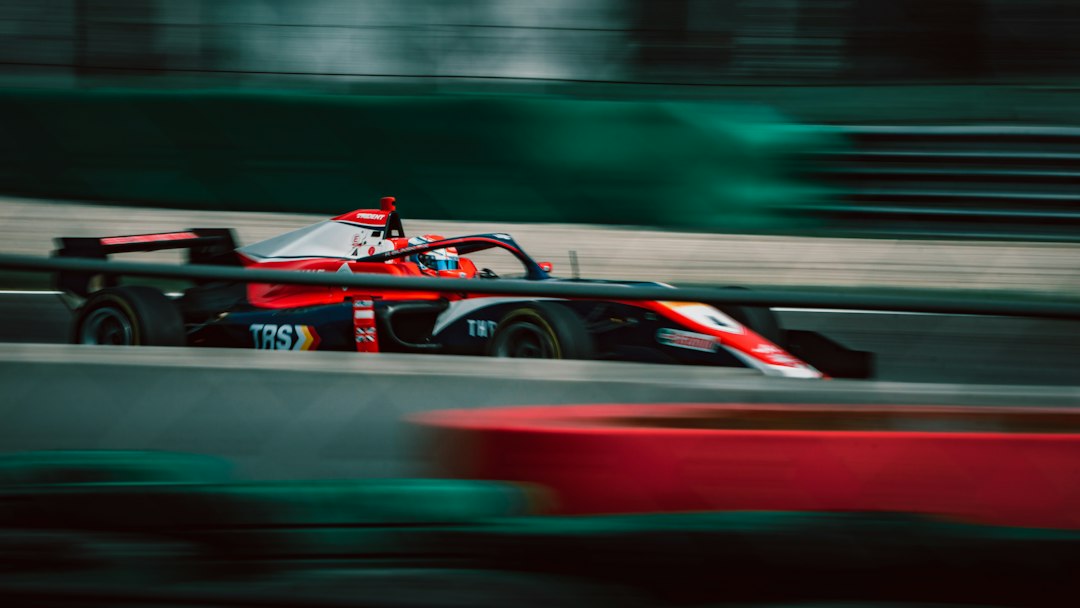
The 2026 Las Vegas Grand Prix reaches a crucial stage on Friday, with final practice followed by qualifying on the street circuit. The event’s unusual setting creates a technical challenge: teams must find grip on a temporary track while managing the demands of a long, high-speed lap. With the race scheduled for Saturday evening local time, qualifying can shape the strategic options available for the Grand Prix.
A street circuit that rewards confidence
The Las Vegas Strip Circuit combines long straights with braking zones and corners bordered by barriers. Drivers need confidence under braking, but they also need a car that remains stable when direction changes arrive quickly. A small mistake can cost time or bring a driver close to the wall, so precision matters as much as outright commitment.
Unlike a permanent circuit that is used regularly, a street track can change significantly as rubber is laid down. The racing line may gain grip during the weekend, while areas away from that line remain less predictable. Teams must interpret practice data carefully because a setup that works early in a session may not be ideal later.
Tyre temperature is a central challenge
Cool conditions can make it difficult to bring tyres into the right operating window. Drivers may need to prepare the tyres through braking, acceleration and careful weaving on out-laps, while avoiding excessive energy that could damage performance. The balance is delicate: a tyre that is too cold may lack grip, but an aggressive preparation lap can create inconsistent temperatures across the set.
Teams also consider how long a tyre remains effective. A qualifying lap demands immediate performance, whereas the race requires a broader view of degradation and consistency. Engineers use practice runs to understand warm-up behaviour and decide how much preparation is needed before a timed lap.
Track evolution changes the qualifying calculation
As more cars complete laps, the surface can become quicker. This creates a timing question for teams: go out early and secure a representative lap, or wait for the track to improve? Traffic, yellow flags and changing conditions can complicate the decision. A driver who waits too long may find a gap difficult to create, while an early runner could miss a later improvement.
Qualifying is therefore a team exercise. Engineers monitor gaps, traffic and weather while the driver focuses on executing the lap. Clear communication is essential because a good plan can be undone by arriving at a corner behind a slower car or starting the lap with tyres outside the ideal window.
Why the long straights influence setup
Teams must decide how much aerodynamic downforce to run. Lower drag can improve straight-line speed, but reducing downforce too far may make the car less stable through corners and under braking. The correct compromise depends on how much time is gained on the straights compared with the time lost in the slower sections.
Energy deployment and braking stability also matter. Drivers need to manage speed into heavy braking zones without overheating components or compromising the next corner. A balanced car can help preserve confidence across a full lap.
Qualifying is important, but the race is different
A strong grid position reduces the risk of being trapped in traffic, yet it does not guarantee a successful race. Teams must consider tyre life, pit-stop windows, safety-car possibilities and the difficulty of overtaking. A setup that produces one fast lap may not be the best choice for a full race distance.
The most useful signal from qualifying will be how consistently a car performs, not just one headline lap. Drivers who can repeat their pace and manage tyre temperatures may have more options on Saturday.
What to watch this weekend
Look for the way teams prepare tyres, how quickly lap times improve as the circuit evolves and whether drivers can complete clean laps without traffic. Those details reveal the engineering challenge behind the spectacle. In Las Vegas, confidence, timing and tyre preparation can be just as important as top speed.
Traffic management can decide a lap
Street circuits leave little room for a driver to recover from a compromised run. A car approaching a slow corner at the wrong moment can disturb another driver’s preparation, while a poorly timed out-lap can leave a gap too small for a clean flying lap. Teams use timing screens and radio communication to create space, but the circuit’s layout makes coordination difficult. Drivers must also judge when to back off without losing tyre temperature.
Race preparation starts in practice
Even when qualifying is the immediate focus, practice sessions provide information for the race. Long runs help teams understand degradation, fuel effect and how the car behaves in traffic. Engineers compare those findings with short-run pace to decide whether a setup change is worth the compromise. A car that looks quick over one lap may struggle to follow another competitor or protect its tyres over a stint. The best weekend plan balances grid position with the ability to sustain performance on Saturday.