
Ireland’s meeting with South Africa arrives at an important point in the Nations Championship. Both sides are still navigating a demanding international programme, and the weekend’s results will influence the race for places in the final. The match is compelling because the teams offer contrasting strengths: South Africa can apply pressure through physicality and set-piece power, while Ireland look to build phases and use accurate support play.
The breakdown will shape possession
The contest after the tackle is likely to be one of the defining areas. Ireland need quick, clean ball to give their playmakers time to move the defence. South Africa will look to slow that process, compete legally and force the attacking side to make decisions under pressure. The team that wins more of these moments can dictate whether the match is played at speed or becomes a sequence of territorial exchanges.
Support players have a major role. The ball carrier must stay connected to teammates, while arriving players need to make accurate decisions about clearing threats or protecting possession. Poor support can lead to isolated carries and turnovers, giving the opposition an opportunity to attack from broken field.
Set-piece pressure creates territory
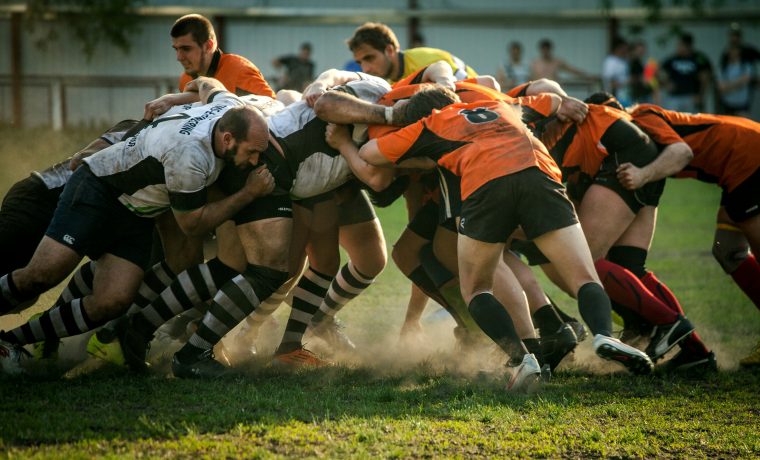
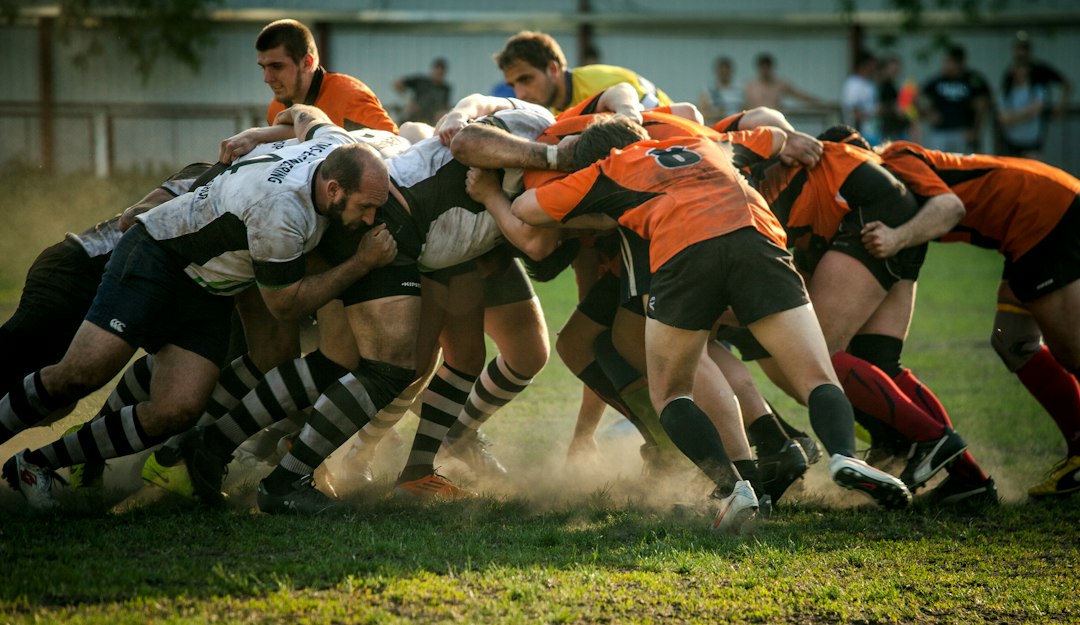
Scrums and lineouts are more than ways to restart play. They can provide attacking platforms, win penalties and allow a team to move the contest into the right part of the pitch. South Africa’s forward strength makes set-piece execution particularly important for Ireland. If the Irish side can secure its own ball and avoid unnecessary penalties, it can reduce the number of opportunities for the visitors to build pressure.
Lineout accuracy will also influence the kicking game. A secure catch gives the team options to launch an attack or clear territory. A disrupted throw can leave the defence scrambling and invite another phase of pressure.
Discipline may decide the field position battle
Penalties can quickly change the shape of a Test match. A team that gives away avoidable infringements allows its opponent to kick for territory or take points. Discipline is especially important around the breakdown, where players must arrive legally and support their body weight. Referee interpretation can influence the contest, so teams need to adapt without losing their technical standards.
Good discipline does not mean playing passively. It means understanding when to compete, when to release and when to reset. A side that repeatedly gives away penalties can spend too much time defending and lose the chance to impose its own attacking plan.
Managing the emotional and physical tempo
Matches between leading international sides often contain periods of intense contact followed by tactical kicking and slower phases. Players must recognise when to increase tempo and when to take a moment to regain structure. Ireland may seek to move the ball quickly when the defensive line is unsettled, while South Africa can use physical carries to test the organisation of the defence.
Bench impact will matter as fatigue builds. Replacements need to maintain technical accuracy rather than simply add energy. A fresh forward who wins a collision but gives away a penalty has not necessarily improved the team’s position.
The wider Nations Championship picture
The competition remains finely balanced after recent results, including France’s win over South Africa and Wales’ notable victory against New Zealand. Those outcomes have made the final round of fixtures especially significant. With places in the finals weekend still at stake, every team has reason to treat the match as more than an isolated Test.
What supporters should watch
The opening exchanges can reveal which side is controlling the breakdown and whether the set-piece is functioning. Watch how each team responds after a turnover, how often penalties give away territory and whether the bench can maintain accuracy late in the game. Those small details are likely to tell the story of a contest between two teams with the quality to punish mistakes.
Territory is a form of control
Teams do not need to attack from every position on the field. A well-judged kick can move play away from danger, test the back three and create pressure through a lineout or chase. The decision depends on the scoreboard, wind, time remaining and the confidence of the players. Ireland will want to make sure that any kicking strategy is supported by an organised chase, while South Africa can use their physical presence to contest possession and force errors.
Finishing the match with clear decisions
Late in a close Test, fatigue can make simple decisions difficult. Players must know whether to keep the ball, kick for territory or take points when an opportunity appears. Leadership from the half-backs and senior forwards becomes especially important because the team may have only seconds to organise its next action. A disciplined side can stay patient under pressure and avoid giving away penalties that change the result. The final quarter often rewards the team that continues to make accurate choices when energy levels fall.