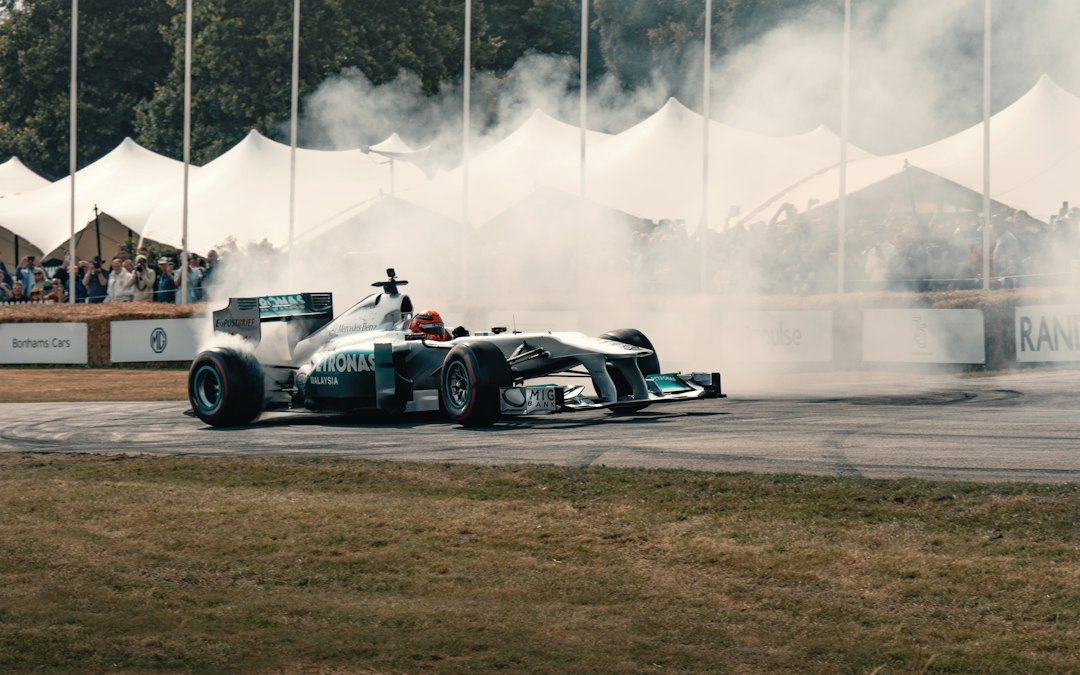

Formula 1’s high-speed electrical deployment rules are under fresh scrutiny after drivers raised concerns that the current system can restrict overtaking. The FIA is considering consultation with teams over possible changes. The discussion matters because modern racing depends on a balance between energy management, driver control and the ability to fight for position on track.
Why deployment matters
Energy deployment is now a central part of how a Formula 1 car performs. Drivers must decide where to use available electrical power and how to manage it across a lap. Those decisions affect acceleration, defence and the timing of an attack. When the rules create limitations that are difficult to manage in wheel-to-wheel situations, drivers may feel that the racing becomes less intuitive.
The overtaking question
Overtaking depends on more than straight-line speed. A driver needs to close the gap, position the car correctly and have enough performance to complete the move without compromising the next corner. If energy deployment creates a sudden difference in acceleration or limits a driver’s options, the battle can become harder to judge from the cockpit.
Why teams need a voice
Any change to technical regulations can affect every team differently. Engineers will examine how a revised deployment rule interacts with battery use, aerodynamics and circuit characteristics. Consultation is therefore important: a solution that improves one type of racing may create unintended consequences elsewhere. The FIA must consider both sporting spectacle and technical fairness.
The driver’s perspective
Drivers experience the rules at the limit, often while managing traffic, tyre wear and changing grip. Their feedback can reveal practical problems that may not be obvious in simulations. However, regulations also need to be consistent and predictable, so any adjustment should be tested carefully rather than introduced in response to a single complaint.
What fans should watch
The key question is whether any review produces closer racing without removing the strategic challenge that defines Formula 1. Fans should watch for details about the consultation process and whether teams can agree on a workable direction. The wider debate shows how closely technology and sporting entertainment are linked in modern motorsport.
Final thought
FIA’s F1 Deployment Review Puts Overtaking Back in the Spotlight offers a useful reminder that preparation, awareness and intelligent decisions shape performance. The result or headline may attract attention, but the details behind it are what help teams and athletes improve. Supporters who look beyond the immediate outcome can gain a richer understanding of the sport.
Data turns feedback into decisions
Modern motorsport teams collect large amounts of information, but data only becomes useful when engineers can connect it to what the driver feels. Telemetry can show braking traces, throttle application, speed and system behaviour. Comparing laps helps identify where performance is gained or lost. The strongest analysis combines numbers with driver feedback and a clear understanding of the circuit.
Tyre management shapes strategy
Tyres influence grip, braking and the ability to follow another car closely. Drivers must balance pace with degradation, while teams estimate how track temperature and traffic will affect performance. A fast opening stint is not always the best option if it leaves the car vulnerable later. Strategy is about managing the whole race distance rather than chasing one impressive lap.
Risk has to be calculated
Every upgrade, setup change and strategic call carries uncertainty. Teams weigh the potential performance gain against reliability, penalties and the possibility of losing track position. The best decisions are not necessarily the most aggressive; they are the ones that fit the championship situation and the evidence available. This is why preparation and communication remain essential parts of a race weekend.
How a race weekend comes together
Performance is built across practice, qualifying and the race rather than in one isolated lap. Engineers use each session to understand balance, tyre behaviour and how the car responds to setup changes. Drivers then provide feedback that helps the team decide whether to prioritise corner entry, traction or straight-line speed. The best preparation is a process of testing ideas, comparing evidence and avoiding changes that solve one problem while creating another.
Reliability is part of speed
A car that is fast for a short run but unreliable over a race distance is unlikely to deliver consistent results. Teams must consider component life, cooling, energy use and the stresses created by different circuits. The decision to introduce an upgrade or change a strategy therefore involves a calculation of risk. Fans may focus on lap times, but the work behind a dependable race package is just as important to a successful campaign.