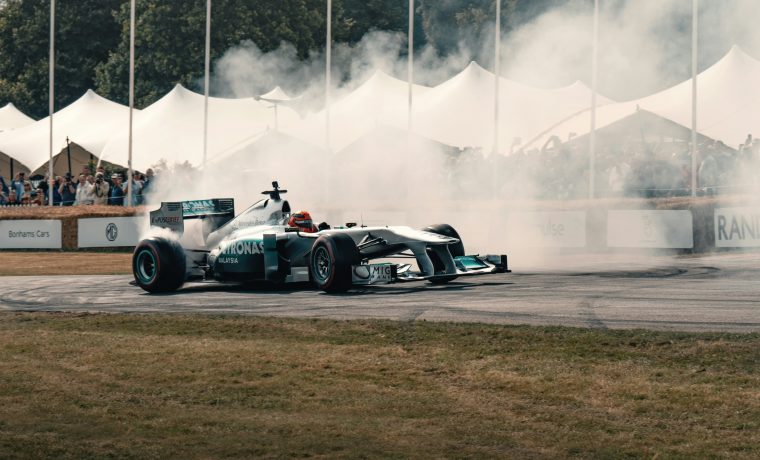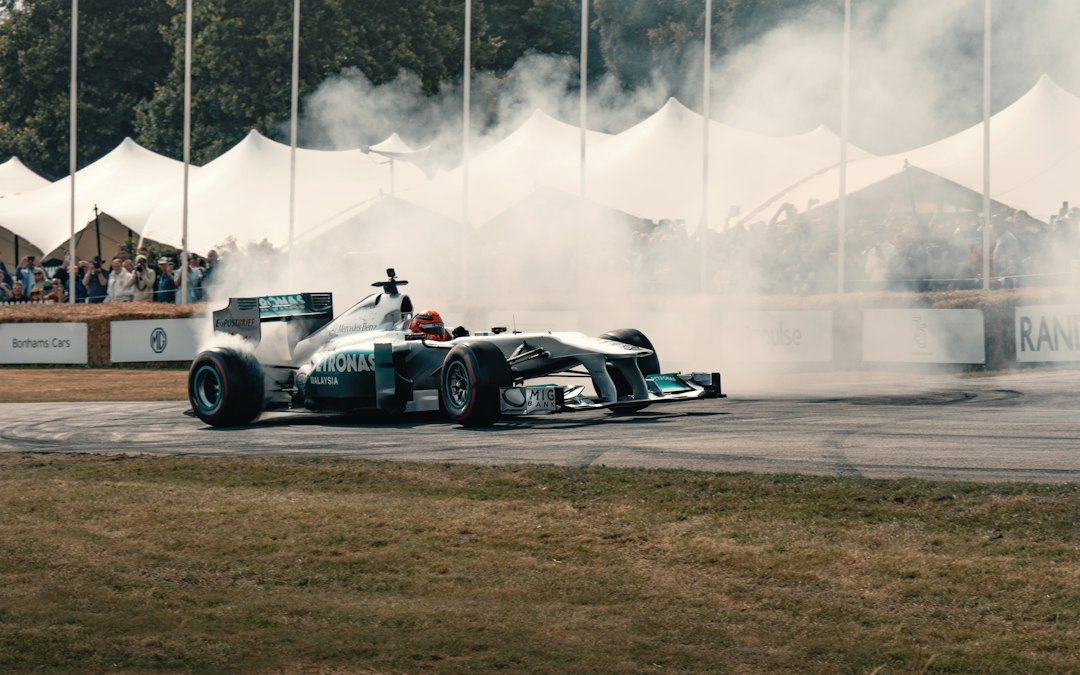

Mercedes is preparing an upgraded turbocharger for the Las Vegas Grand Prix, with reports indicating that the new component is expected to be used by Kimi Antonelli while George Russell may avoid it to limit the risk of a grid penalty. The situation highlights the complicated trade-off between performance development and reliability during a Formula 1 season.
Small gains can carry big consequences
A new component does not need to transform lap time to be valuable. In a championship where margins are measured in fractions of a second, a modest improvement can influence qualifying position or race strategy. Yet every new part must also be assessed for reliability, compatibility and the possibility of penalties if a driver exceeds component-use limits.
Why timing is strategic
Teams plan upgrades around the remaining calendar, expected circuit demands and the condition of each driver’s existing components. Introducing a new part at the wrong moment can create a penalty that outweighs the performance benefit. The decision is especially difficult when one driver has a different component history from the other.
The engineering trade-off
An upgrade must work across a range of temperatures, loads and operating conditions. A turbocharger faces demanding thermal and mechanical stresses, and a component that performs well in a controlled test still needs to prove itself in a race weekend. Engineers balance simulation data with real-world evidence before committing to a specification.
Different choices within one team
Two drivers in the same garage do not always follow identical plans. Their component allocations, championship position and risk tolerance can differ. A team may decide that one car should take the performance opportunity while the other preserves a penalty-free strategy. Such decisions are part of the wider calculation behind a Grand Prix weekend.
What it means in Las Vegas
The upgrade story adds another layer to the weekend, but the result will depend on more than a single component. Tyre behaviour, track evolution, qualifying execution and race strategy all influence performance. The important question is whether the expected gain appears consistently under real conditions and whether the team can convert it into points.
Final thought
Mercedes’ Las Vegas Upgrade Plan Shows the Risk Behind Every F1 Component Change offers a useful reminder that preparation, awareness and intelligent decisions shape performance. The result or headline may attract attention, but the details behind it are what help teams and athletes improve. Supporters who look beyond the immediate outcome can gain a richer understanding of the sport.
Data turns feedback into decisions
Modern motorsport teams collect large amounts of information, but data only becomes useful when engineers can connect it to what the driver feels. Telemetry can show braking traces, throttle application, speed and system behaviour. Comparing laps helps identify where performance is gained or lost. The strongest analysis combines numbers with driver feedback and a clear understanding of the circuit.
Tyre management shapes strategy
Tyres influence grip, braking and the ability to follow another car closely. Drivers must balance pace with degradation, while teams estimate how track temperature and traffic will affect performance. A fast opening stint is not always the best option if it leaves the car vulnerable later. Strategy is about managing the whole race distance rather than chasing one impressive lap.
Risk has to be calculated
Every upgrade, setup change and strategic call carries uncertainty. Teams weigh the potential performance gain against reliability, penalties and the possibility of losing track position. The best decisions are not necessarily the most aggressive; they are the ones that fit the championship situation and the evidence available. This is why preparation and communication remain essential parts of a race weekend.
How a race weekend comes together
Performance is built across practice, qualifying and the race rather than in one isolated lap. Engineers use each session to understand balance, tyre behaviour and how the car responds to setup changes. Drivers then provide feedback that helps the team decide whether to prioritise corner entry, traction or straight-line speed. The best preparation is a process of testing ideas, comparing evidence and avoiding changes that solve one problem while creating another.
Reliability is part of speed
A car that is fast for a short run but unreliable over a race distance is unlikely to deliver consistent results. Teams must consider component life, cooling, energy use and the stresses created by different circuits. The decision to introduce an upgrade or change a strategy therefore involves a calculation of risk. Fans may focus on lap times, but the work behind a dependable race package is just as important to a successful campaign.