

Ireland fly-half Sam Prendergast has been cleared to play South Africa after a disciplinary committee dismissed a dangerous-play citing linked to an alleged hip-drop tackle against Fiji. The decision has placed renewed attention on how rugby’s disciplinary process interprets contact, intent and the evidence available after a match.
The incident and the decision
Prendergast was cited following Ireland’s 43-15 win over Fiji after a tackle involving Peceli Yato. The committee heard evidence and submissions before unanimously dismissing the citing. The outcome means the fly-half remains available for the upcoming fixture, but it also gives coaches and players a reason to examine how the relevant laws are applied.
Why tackle technique matters
Modern rugby places significant emphasis on player safety, particularly around tackles that bring an opponent down in a dangerous way. Players must make decisions in a fraction of a second while dealing with speed, changes of direction and physical contact. Coaching can help by reinforcing body position, entry height and safe methods of bringing an opponent to ground.
Consistency is essential
Disciplinary decisions are closely watched because they can affect selection and the course of a tournament. Players and coaches need to understand what conduct is likely to be penalised and how evidence is assessed. Clear explanations help the wider rugby community distinguish between an on-field penalty, a citing and a formal suspension.
The effect on Ireland
Having Prendergast available gives Ireland continuity at fly-half ahead of a demanding match against South Africa. The position influences territory, kicking choices and the timing of attacking moves, so selection stability can matter. At the same time, the team must ensure its decision-making remains disciplined against an opponent known for physical pressure.
A wider safety conversation
The case should not be treated as proof that every tackle incident is identical. Each situation requires its own evidence and context. Rugby’s challenge is to protect players while preserving the contest’s physical character. Consistent coaching, clear law interpretation and transparent disciplinary communication all contribute to that balance.
Final thought
Ireland’s Clearance of Sam Prendergast Raises a Key Question About Rugby Discipline offers a useful reminder that preparation, awareness and intelligent decisions shape performance. The result or headline may attract attention, but the details behind it are what help teams and athletes improve. Supporters who look beyond the immediate outcome can gain a richer understanding of the sport.
The set-piece foundation
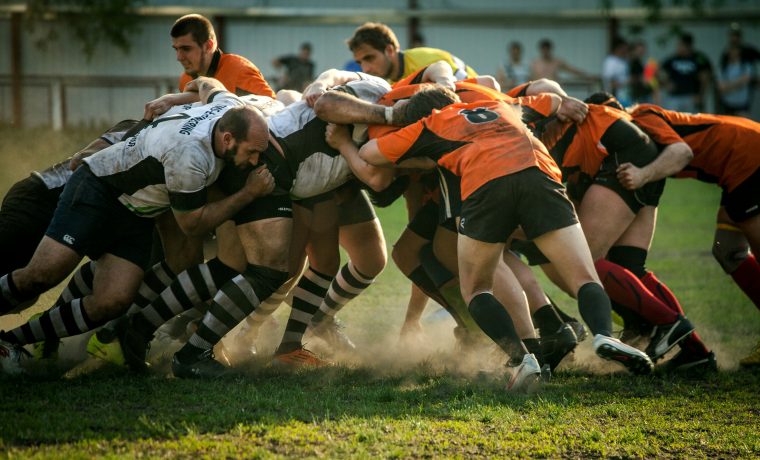
Scrums and lineouts provide a platform from which teams can launch attacks or apply pressure. Accuracy depends on timing, technique and communication between players. A small error can give the opposition possession or invite a penalty, so teams devote significant preparation to these areas. Strong set-piece work does not guarantee a win, but it can give a side control over important phases.
Discipline protects territory
Penalties can move a team backwards and allow an opponent to play in the right areas of the field. Players must understand the referee’s interpretation at the breakdown, in the tackle and at set-piece time. Discipline is therefore a collective responsibility. Leaders need to communicate clearly, especially when fatigue makes decision-making more difficult late in a match.
Fitness supports technical quality
Rugby requires repeated high-intensity efforts, contact strength and the ability to make accurate decisions while tired. Conditioning programmes need to reflect the demands of each position rather than treat every player identically. Recovery and skill practice are equally important: fitness is most valuable when it allows a player to execute technique safely and consistently throughout the match.
Communication under pressure
Rugby matches can move quickly from one phase to another, leaving little time for lengthy instructions. Players rely on clear calls from the scrum-half, forwards and defensive leaders to organise the next action. Communication is especially important after a penalty or turnover, when the team must reset its shape and understand whether to play quickly or secure possession. A connected side can make better decisions even when fatigue and crowd noise increase the pressure.
Developing a deeper squad
International campaigns test more than the starting fifteen. Injuries, suspensions and changes in form create opportunities for players who may have limited experience at the highest level. Coaches need to develop depth by giving replacements clear roles and meaningful preparation. A strong squad can maintain its standards when changes are required, while competition for places encourages players to keep improving their technical and physical preparation.