
 DUdyPMUigthO
 Pressing is more than chasing the player with the ball. At its best, it is a coordinated plan to limit passing options, force a predictable decision and win possession in a useful area of the pitch.
What is a pressing trigger?
A pressing trigger is a cue that tells teammates to move forward together. Common examples include a slow pass to a full-back, a poor first touch, a backward pass or a receiver facing their own goal. The cue matters because one player pressing alone can be bypassed easily; several players moving at the same time can close the obvious exits.
Shape matters as much as speed
The nearest player usually applies pressure, while teammates block passing lanes and protect space behind. Forwards may curve their runs to screen a central midfielder. Wide players can position themselves to make a pass down the line look available, then trap the receiver near the touchline. The aim is to make the opponent’s next action predictable.
Why teams press high
Winning the ball near the opponent’s goal can create short routes to a scoring chance. It can also keep the opposition pinned back and help a team sustain attacks. But a high press requires fitness, communication and a back line comfortable defending space behind them.
The risks and how teams manage them
If the first line is beaten, large spaces may open in midfield. Teams reduce that risk by keeping distances between units compact, choosing when to press and sometimes dropping into a mid-block instead. A smart team does not press every pass; it recognises when the structure is set and when the opponent has created an overload.
What to watch in the next match
Look at the team’s shape before the pass, not only the player chasing the ball. Notice who screens the central option, whether the back line steps up and what happens after a pass out wide. Those details reveal whether the press is coordinated or simply energetic.
Pressing is a collective decision-making skill. The best systems combine anticipation, compact spacing and a clear plan for what happens if the first attempt fails.
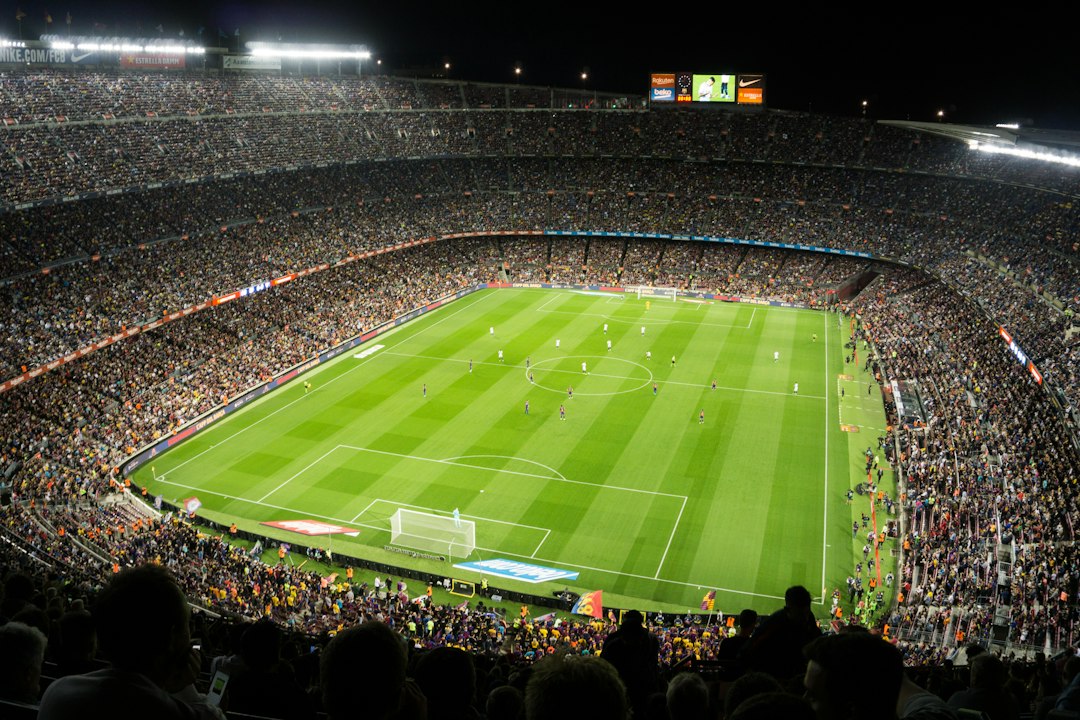
Image note: The featured photograph is illustrative and does not depict a specific match or tactical incident.

No comments yet